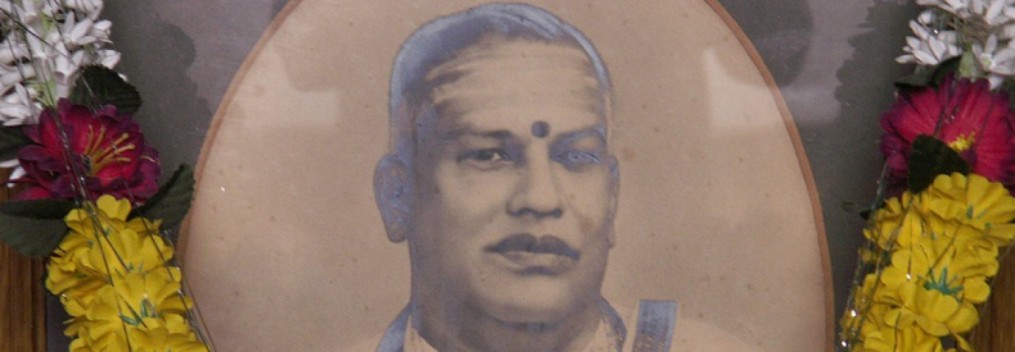
The Nattukottai Nagarathars also known as the Nattukottai Chettiars are traditionally known for their philanthropy, the educational institutions they set up, their rich cultural heritage and for their exotic cuisine that is famous worldwide.
Names that come up when you speak about this community are those of Raja Sir Annamalai Chettiar (a doyen in the field of education, a patron of the arts, founder of Annamalai University), Karumuttu Thiagarajan Chettiar (textile don, philanthropist, educationist, founder of the erstwhile Bank of Madura), M. Ct. M. Chidambaram Chettiar (founder of the Indian Overseas Bank, educationist), Vallal Alagappa Chettiar (founder of the Alagappa University, Karaikudi). All these men have carved a niche for themselves in the annals of Chettinad history as enterprising businessmen, as men with a vision, as philanthropists and educationists par excellence. Among these stalwarts is one who had his name inscribed in golden letters for the service he has done to Tamil literature by way of his original essays in Tamil, his penetrative speeches which have been published and found a vast readership, and more important for his path-breaking translations of Sanskrit works of art. This is none other than Mahamahopadhyaya Muthuperum Pulavar Pandithamani M. Kathiresan Chettiar. He is the second scholar from Tamil Nadu apart from U. Ve. Swaminathat Aiyar to have been conferred this prestigious title “Mahamahopadhyaya”.
There have been numerous scholars who have rendered yeoman service by translating classical works from Sanskrit to other languages. Most of these translations have been into English. Only a very few have been into Tamil. Of those who translated works into Tamil, Pandithamani holds a special place owing to his literary background, for he really had no literary background in the accepted sense of the term. Born into a caste and class known for its business ventures and business acumen, Pandithamani did not tread the beaten path of his peers. Nor was he educated in prestigious places of learning and esteemed universities. He had a formal education only for seven months in the “Thinnai pallikkoodam” of his native village. But the goddess Saraswathi must have taken him into his fold and showered all her blessings onto him for he had a natural flair for language and literature and could comprehend difficult texts without much ado. What he had naturally in abundance Pandithamani enhanced it by reading all the books he could lay his hands on, by cultivating the friendship of educated and well read peers and learning from them. He would travel long distances in spite of his infirmity (for he was affected by polio when he was very young) to learn from his peers. Such was his thirst for knowledge. No wonder then that this man who had not crossed the threshold of a university for his education was made head of the department of Tamil at Annamalai University.
Pandithamani was born on 16th October 1881 to Muthukaruppan Chettiar and Sigappi Achi at Mahibalanpatti, a small village in the then Ramnad District (now Sivaganga district). Mahibalanpatti, the birthplace of Pandithamani Kathiresan Chettiar, was also known as “Poonkundranadu” in days of yore for this was also the birthplace of Kanian Poonkundranar, the poet and astrologer who wrote the world famous verse, “Yaathum oore yavarum kaelir” (all countries are mine as much as all people are my kith and kin).
Pandithamani has several important works, both original and translated, to his credit. But of these what takes prime of place is his prosaic interpretation of three parts (Thiruchathagam, Neethal Vinnappam, Thiruvempavai) of Thiruvasakam. Ever since his prime Pandithamani had wanted to write a prosaic interpretation for Thiruvasakam as there was not any interpretation worth its name then. But he was able to begin work on this immense project only in the twilight of his years. Therefore, he was not able to finish what he had started. Nevertheless, the three parts of the Thiruvasakam for which he has provided interpretation is matchless in its depth and commentary and has not been equalled by anyone ever. He named this work “Kathirmani Vilakkam”.
Pandithamani Kathiresan Chettiar has several important translation works to his credit. He was of the opinion that translations of classics from other languages help broaden our vision and knowledge of other cultures. By taking up such a difficult task one would be helping the reading fraternity to have access to literary masterpieces which otherwise one would not be able to. Pandithamani Kathiresan Chettiar translated several works from Sanskrit to Tamil. These were: Kaudilya’s “Arthasastra”, Sudraka’s “Mrichakadiga” (translated title “Manniyal Siruther”), Sukrachariar’s “Ausanasam” (translated as “Sukraneethi”, this was an abridged and condensed version of the original work), Uthayana Saritham (a play in Sanskrit), Malathimadhavam (written by Bhavabhuti in the 8th century) and Prataparudriyam (Pratapa Rudra Yaso Bhushana, a rhetoric in Sanskrit written by Vidyanatha in the 14th century). Of the above, all have been published before except for “Prataparudriyam” and “Malathimadhavam” which are still in manuscript form. These two works have not been published and no one knows why.
When we studied these two manuscripts, we could only guess at why one of these two, “Prataparudriyam” was not published. The original work “Pratapa Rudra Yaso Bhusana” was written in Sanskrit. This work can be found on the internet. It has been transliterated into English. When we studied both this transliterated original work in Sanskrit and Pandithamani’s translated version, we found that one chapter in the original had not been translated. This particular chapter was about music and its nuances. Pandithamani must have wanted to learn the intricacies of music before he attempted to translate this chapter. This is what we feel must be the reason why this work was not published.
Whatever the reason, we wanted Pandithamani’s work to see the light of day. So we are presenting it as it is on the net for the benefit of Tamil lovers and scholars.
 Pandithamani
I will be glad if you could help me to find a copy of Manniyal Siruther (Mrichakadiga) that he translated. Thank you.
Excellent work by Poet Shri Pandithamani Kathiresan.Thank you all for providing this information
Venkataraman Thiagarajan M V T House, Vetriyur
மிகச் சிறந்த பணி.அரிய நூலைக் வெளிக்கொணர்ந்த வ.சு.ப.வழித்தோன்றல்களுக்கு என் நன்றியும் பாராட்டும்.மகிழ்சசி,பண்டிதமணியின் மகனார் பேரா.க.தியாகராசனாரும் அறிந்து மகிழ்ந்தார்.
கி.நாச்சிமுத்து,ஓய்வு பெற்ற தமிழ்ப் பேராசிரியர் கோவை
ஆகா பெரிய முயற்சி.இவ்வளவு பெரிய பணி ,இவ்வளவு நாளாகப் பார்க்காமல் போனேமே என்ற வருத்தம்.உங்கள் பணி சிறந்த நற்பணி.தொடர்க.பண்டிதமணி அவர்கள் திருமகன் பேரா.க.தியாகராசன் அவர்களும் அறிந்து மகிழ்ந்தார்.வாழ்த்துக்கள்.நன்றி.கி.நாச்சிமுத்து பேராசிரியர் ஓய்வு ,கோயம்புத்தூர்
மாலதி மாதவம் அனுப்பியதற்கு நன்றி.முன் அங்கங்கள் சில உங்கள் சுட்டியில் உள்ளன.அதற்கு முந்தியது கிடைக்குமா? அய்யா பேரா.க.தியாகராசன் (பண்டிதமணி மகனார்)அவர்களுக்கும் அனுப்பலாம்.